

A tactical approach to managing violent critical incidents involving active threats. Participants engage in classroom instruction, drills and scenarios focused on rapid deployment, threat neutralization and casualty care. Coordination with fire rescue partners and decision-making under pressure are emphasized. The training reflects national standards and BSO’s operational experience.
A hands-on look at enhancing officer safety and effectiveness during building entry and clearing operations. Participants receive advanced instruction in tactical movement, team communication and threat assessment with emphasis on dynamic versus deliberate clearing. Scenario-based training, simunitions and after-action debriefs promote critical thinking and coordination. Attendees learn to adapt tactics to various environments while minimizing risk to officers and civilians.
Focuses on effective communication, outreach strategies, and collaboration with diverse communities to foster understanding, trust, and cooperative public safety initiatives.
Emphasizes building partnerships between law enforcement and the community to enhance safety, transparency, and mutual respect through proactive engagement and problem-solving.
An introduction to BSO’s specialized unit for civil disturbance and riot control, Quick Response Force (QRF). Participants learn about deployment strategies, crowd dynamics, and de-escalation techniques. Instruction includes formation movements, less-lethal tools, and interagency coordination. Emphasis is placed on disciplined, lawful responses to protect life and property.
Equips officers with the skills to recognize and safely de-escalate mental health crises, emphasizing empathy, communication, and use of community-based resources.
A comprehensive overview of the operational structure, individual specialized units and investigative procedures. Participants will receive operational briefings on key units, including:
Homicide, Cold Case, Violent Crimes, Missing Persons, Special Victims, Robbery, Victim Advocates, Crime Stoppers and the Career Criminal Unit.
The experience includes a guided tour and presentations by organizational leadership and subject matter experts, with a focus on forensic technology, interagency collaboration and victim-centered support.
Operating under the Strategic Intelligence and Investigations Division, this session explores threat assessment, investigative techniques, intelligence sharing, interagency, coordination, proactive threat mitigation and the integration of digital tools in modern investigations.
Participants explore the work of the Internet Crimes Against Children Task Force, Cybercrime, and Digital Forensics. Includes operational overviews, investigative techniques, interagency collaboration, and hands-on technology demonstrations.
Overview of the Division of Internal Investigations and Compliance, its investigative functions, and adherence to the Officers Bill of Rights. Covers investigative types, review procedures, legal standards, and includes a case study emphasizing fairness, objectivity, and due process.
Insight into how BSO’s tactical intelligence units locate and apprehend violent fugitives. Participants learn about surveillance, intelligence gathering, operational planning, interagency coordination, and legal considerations. Case studies highlight real-world applications and professionalism.
Explores BSO’s role at Fort Lauderdale–Hollywood International Airport (FLL). Covers daily operations, secured vs. unsecured area protocols, perimeter security, peak travel periods, and critical incident response. Participants meet specialized airport teams and learn how aviation-based enforcement differs from traditional policing.
Provides a detailed overview of courthouse security operations. Includes tours of courtrooms, restricted judicial corridors, and screening areas. Covers inmate transport, courtroom management, judicial protection, jury procedures, and the operational coordination required to maintain a secure court environment.
Explains how deputies protect cruise ships, petroleum tankers, and military vessels. Includes managing recreational boat traffic, high-value asset escorts, maritime law enforcement, and safety operations. (Limited to 5 participants.)
Outlines BSO’s role at one of the busiest seaports in the world. Topics include physical security, passenger and cargo screening, MARSEC levels, cybersecurity, hurricane preparedness, and coordination with federal partners. Port access and identification are required.
An inside look at BSO’s FBI-accredited Bomb Squad and its role in explosive threat response. Participants learn about EOD protocols, robotics and protective equipment. Demonstrations and discussions cover threat assessment, device neutralization and post-blast investigations. Emphasis is placed on safety, interagency cooperation and evolving technology. This session showcases how bomb technicians support public safety during high-risk incidents.
An introduction to the specialized skills, tactics, and deployment strategies of law enforcement K-9 units during suspect apprehension operations. It covers canine behavior, handler communication and integration with SWAT and fugitive units. Attendees observe live demonstrations showcasing how K-9s locate, detain and control suspects in various environments. Emphasis is placed on safety, legal considerations and minimizing risk to all parties involved. The session highlights the value of K-9 teams in enhancing operational success and public safety.
An overview of BSO’s aviation assets, including helicopters and drones, and their role in modern policing. Participants learn how aerial support enhances surveillance, search and rescue, and tactical operations. The experience includes a tour of the Aviation Unit and a close-up look at aircraft and equipment. Safety procedures, flight operations and aircrew coordination are also discussed. It demonstrates how aviation improves situational awareness and officer safety.
Participants explore the mission and capabilities of BSO’s law enforcement Marine Unit, which enforces maritime law and ensures safety on the waterways. The session covers boating safety, port security and environmental protection. Attendees tour marine vessels and learn about navigation, interdiction and joint operations with partner agencies. Emphasis is placed on maintaining security along the coastline and inland waters. This session also highlights the importance of interagency collaboration in maritime operations.
Explores SWAT team structure, mission, personnel selection, and equipment. Topics include warrant service, hostage rescue, crisis response, scenario-based training, communication, and decision-making under pressure.
Introduces crisis and hostage negotiation strategies. Participants learn about rapport building, behavioral analysis, communication techniques, and coordination with tactical teams. Real-world cases emphasize peaceful incident resolution.
A practical introduction to lifesaving trauma care in high-threat environments. Participants learn to manage preventable causes of death such as hemorrhage and airway obstruction using tourniquets, chest seals and airway adjuncts. Training follows the three phases of care: Care Under Fire, Tactical Field Care and Tactical Evacuation. Emphasis is placed on applying medical interventions while maintaining mission effectiveness.
Enhances operational readiness through deployment of tactical operators in realistic scenario training, advanced firearms instruction and coordinated team movement drills.
A review of the legal, ethical and tactical considerations surrounding use of force. Based on FDLE curriculum and BSO policy, the training includes case studies and debriefs to reinforce lawful decision-making. Participants examine statutory authority, resistance levels and de-escalation strategies. The focus is on ensuring accountability, safety and alignment with professional standards.
An introduction to the Bureau of Strategic Intelligence and Investigations, which oversees complex, long-term and multijurisdictional criminal investigations. Participants explore specialized units such as the Drug Task Force, Gang Investigations, Counterterrorism, Digital Forensics and Internet Crimes Against Children. Each unit presentation includes operational overviews, investigative techniques, interagency collaboration and technology demonstrations. The presentations emphasize intelligence sharing, proactive threat mitigation and the integration of digital tools in modern investigations.
Explores how BSO collaborates with private-sector organizations to enhance public safety through technology integration, intelligence sharing, and joint initiatives aimed at protecting critical infrastructure.
An introduction to the principles of incident management using the National Incident Management System (NIMS). Participants practice establishing command, managing resources and maintaining situational awareness through tabletop exercises and simulations. The training promotes unified command, interagency cooperation and operational coordination during complex incidents.
A behind-the-scenes tour introducing how BSO’s Real Time Crime Center uses technology and intelligence to support public safety. Participants explore real-time mapping, facial recognition, license plate readers and public-private camera integration. The session highlights how RTCC supports field operations and interagency coordination through actionable intelligence.
A behind-the-scenes look at BSO’s state-of-the-art Research, Development and Training Center. Participants explore the firearms ranges, simulation environments and specialized facilities that support tactical, leadership and other facets of training. The tour highlights the integration of technology and interagency collaboration. Attendees gain insight into how to prepare for evolving public safety challenges.
Provides comprehensive training on the use, policy and best practices of body-worn camera technology to enhance transparency, accountability and evidence collection in law enforcement operations.

Outlines the full audit planning process, from setting objectives to preparing the audit program. Includes risk assessment, staffing, budgeting and internal control evaluation. Discusses creating a permanent binder and addressing complex accounting issues. Designed to ensure thorough and efficient audit execution.
Demonstrates how the Audit Board platform transformed audits from manual to automated. Uses a CFA audit as a before-and-after example. Highlights real-time auditing and future data analytics integration.
An interactive session where participants identify internal controls for various audit areas. Topics include accounts payable, travel, fleet, P-cards and payroll. Emphasis is on segregation of duties, fraud prevention, and policy compliance. Audience participation is key to exploring real-world scenarios.
This session introduces how BSO’s Information Technology Division supports public safety through secure, innovative systems. Topics include cybersecurity, infrastructure, data center operations and enterprise applications. Participants tour facilities, view demonstrations and explore how ITD integrates with law enforcement, fire rescue and detention. Optional add-ons include mobile command tours and project management insights.
This session introduces how BSO’s Information Technology Division supports public safety through secure, innovative systems. Topics include cybersecurity, infrastructure, data center operations and enterprise applications. Participants tour facilities, view demonstrations and explore how ITD integrates with law enforcement, fire rescue and detention. Optional add-ons include mobile command tours and project management insights.
This course will equip participants with the skills to develop effective leadership strategies and the confidence and insight needed to lead transformative, sustainable change. Topics will include emotional intelligence, having difficult discussions, mentoring and learning the art of intentional delegation.
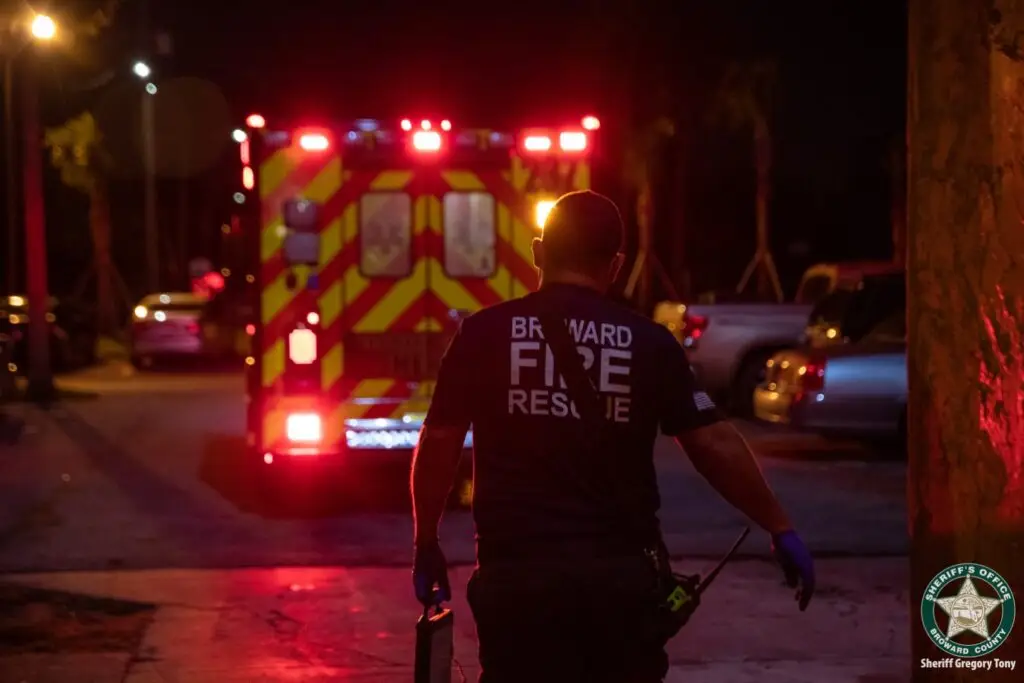
Overview of Air Rescue helicopter-based emergency, medical and firefighting operations. Explains critical care transport, aerial search and rescue, hoist operations and firefighting missions. Emphasizes rapid response, advanced care and multi-mission capability.
Teaches patient care, safe transport and emergency medical response protocols in prehospital settings. Focuses on quality management, trauma care, cardiac arrest response and field mentorship. Includes oversight of equipment, wellness protocols and peer support. Highlights advanced on-scene interventions and interagency coordination.
Overview of fire boat operations equipped for maritime emergencies. Capabilities include marine firefighting, at-sea medical care and evacuations, search and rescue, vessel towing, dewatering and hazardous materials response. The unit ensures safety on waterways through rapid, specialized intervention.
Learn how BSO Fire Rescue handles extremely challenging and difficult rescues and situations with the Technical Response Team and Hazardous Materials Team. These services are deployed when crisis or life-threatening situations require specially trained operators to respond with proper equipment, vehicles and experience.
Trains personnel on field transfusion protocols and blood management systems designed to save lives in critical trauma incidents.

Designed for correctional administrators, this session covers United States jail operations including intake, classification, inmate orientation and medical / mental health services. Participants explore custody levels, interagency cooperation and staff training. Activities include role-play, facility layout reviews and discussions on international practices. Emphasis is placed on safety, compliance and professional development.
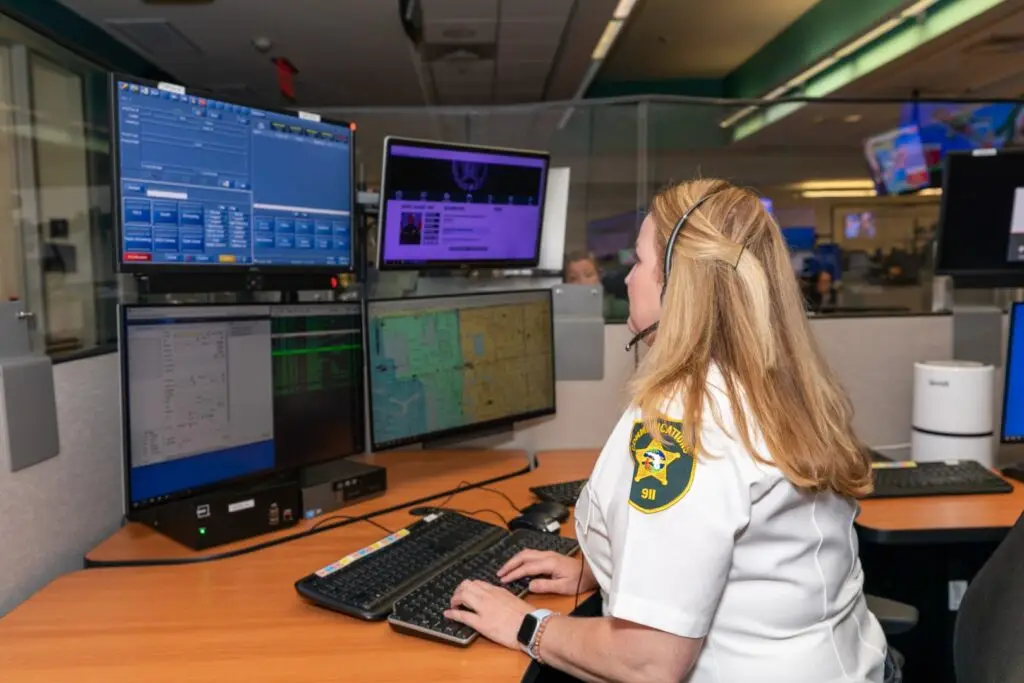
A series of presentations covering BSO’s Regional Communications operations. Topics include system structure, staffing, technology, onboarding and performance benchmarks. Participants will explore governance, quality assurance processes, and continuing education. A site tour of our Public Safety Answering Point (PSAP) is included to provide real-world context and operational insight.
Sworn and civilian members of public safety agencies can participate. This includes administrators,
policy leaders, operational personnel, supervisors, trainers and specialized unit members.